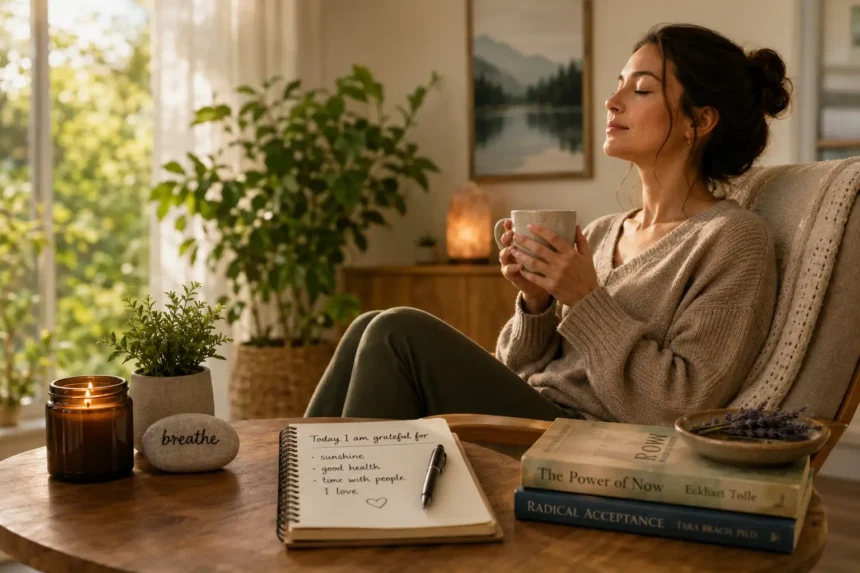
Relaxation is not about doing nothing. It is a deliberate process that reduces the physical and mental effects of stress on your body. When you know how to relax effectively, your heart rate drops, your muscles release tension, and your nervous system shifts out of high-alert mode. These changes are measurable, consistent, and achievable without expensive tools or complicated routines.
Chronic stress raises the risk of heart disease, anxiety disorders, and depression. Learning practical relaxation methods gives your body and mind a real way to recover — not just cope.
What Is the Relaxation Response and Why Does It Matter
Dr. Herbert Benson at Harvard Medical School identified the relaxation response in the 1970s. It is essentially the opposite of the stress response — a state of deep physiological rest that your body can enter through deliberate practice.
When you face a threat, real or perceived, stress hormones flood your system. Your heart rate spikes, breathing quickens, and muscles tighten. This was useful in prehistory. In daily modern life, the same response fires during work deadlines, difficult conversations, and financial pressure — without a physical outlet.
The relaxation response reverses this. With consistent practice, your body builds a baseline of calm that it can return to more easily after stressful events.

Benefits of Relaxation for Mind and Body
The effects of regular relaxation go beyond feeling less tense. Research links consistent practice to measurable changes across multiple body systems.
| Benefit | What Changes |
| Cardiovascular | Lower blood pressure, reduced heart rate |
| Respiratory | Slower breathing rate |
| Digestive | Improved digestion, stabilized blood sugar |
| Muscular | Reduced muscle tension and chronic pain |
| Mental | Better focus, mood, and sleep quality |
| Emotional | Less anger, lower fatigue, stronger confidence |
Relaxation also reduces the activity of stress hormones like cortisol, increases blood flow to major muscles, and supports emotional resilience over time. People who practice regularly report fewer sick days, more stable moods, and better decision-making under pressure.
Best Relaxation Techniques to Calm Your Body and Mind
Not every technique works for every person. Sampling several and sticking with what works is more effective than forcing one method.
Deep Breathing and Breath Focus
Diaphragmatic breathing — also called belly breathing or abdominal breathing — is the most accessible relaxation tool available. It directly slows your heart rate and signals safety to your nervous system.
How to practice:
- Sit or lie comfortably
- Place one hand on your chest, one on your belly
- Inhale slowly through your nose, letting your belly rise
- Exhale gently through your mouth
- Repeat for 3–5 minutes
Variations include box breathing (inhale 4 counts, hold 4, exhale 4, hold 4) and alternate nostril breathing. Both are effective for acute stress moments. People with respiratory conditions should consult a doctor before using breath-focused techniques.
Progressive Muscle Relaxation
Stress frequently shows up in the body before the mind notices it. Progressive muscle relaxation (PMR) trains your body to recognize the difference between tension and release.
Start at your feet, tense each muscle group for 5 seconds, then release for 30 seconds. Work upward through your legs, abdomen, shoulders, hands, and face. PMR works particularly well in the evening when physical tension has accumulated throughout the day.
Guided Imagery and Visualization
Guided imagery uses mental pictures to settle the nervous system. The mind responds to imagined environments almost as strongly as real ones — which is why a calm mental scene can produce genuine physical relaxation.
Close your eyes and picture a place where you feel safe and at ease. Notice small details: temperature, sounds, light. Breathe slowly throughout. If your attention drifts, return to the image without self-judgment. This is not about perfect concentration — it is about gentle, repeated redirection.
People who experience intrusive thoughts or difficulty forming mental images may find other techniques more effective.
Mindfulness Meditation
Mindfulness means attending to the present moment without judgment. Sitting quietly, focusing on your breath, and noticing thoughts without following them — this is the core of the practice.
Mindfulness-based cognitive therapy (MBCT) is a clinical adaptation developed from this practice. Research supports its use for reducing anxiety, depression, and chronic stress. Even short daily sessions — 5 to 10 minutes — produce measurable mood improvements over time. Several apps make guided meditation accessible for beginners.
Yoga, Tai Chi, and Qigong
These three ancient practices combine rhythmic breathing with movement, giving the mind a physical anchor. Yoga reduces cortisol and has been linked to increased gamma-aminobutyric acid (GABA), a neurotransmitter that tends to be low in people with mood disorders.
Tai chi and qigong offer gentler movement options, making them accessible for people with limited mobility or chronic conditions. All three improve balance and flexibility alongside their stress-reducing effects.
Autogenic Relaxation
Autogenic relaxation involves silently repeating calming phrases while focusing on physical sensations. Statements like “my arms feel heavy and warm” direct attention inward and gradually reduce muscle tension. This technique combines elements of self-hypnosis and body awareness, and it requires more practice before results become consistent.
Grounding Techniques
The 5-4-3-2-1 grounding exercise is a rapid tool for bringing attention back to the present when racing thoughts feel overwhelming:
- 5 things you can see
- 4 things you can touch
- 3 things you can hear
- 2 things you can smell
- 1 thing you can taste
This method anchors the mind in real sensory experience, interrupting anxious loops without requiring a quiet space or preparation.
Lifestyle Changes That Support Relaxation
Techniques work better when the body is not constantly running on a stress deficit. Daily habits either support or undermine your ability to relax.
Physical Activity and Exercise
The CDC recommends 150 minutes of moderate-intensity aerobic exercise per week, along with two days of muscle-strengthening activity. Regular movement releases endorphins, reduces perceived stress, and lowers baseline cortisol levels.
A 6-week study of 185 university students found that two days of aerobic exercise per week significantly reduced perceived stress. Walking, jogging, and biking all qualify — the key is consistency, not intensity.
Balanced Diet and Nutrition
A 2022 research review found that diets high in ultra-processed foods and added sugar correlated with higher perceived stress. Chronic stress also depletes magnesium and B vitamins — nutrients essential for mood regulation and nervous system function.
Prioritizing whole foods — vegetables, fruits, beans, fish, nuts, and seeds — stabilizes blood sugar and supports the body’s ability to manage stress. Magnesium supplementation has shown benefits for chronically stressed individuals, but consult a doctor before adding supplements.
Sleep and Rest
Stress and poor sleep create a cycle that feeds itself. Tension disrupts sleep; inadequate sleep reduces stress tolerance. Prioritizing sleep hygiene — consistent bedtime, limiting screens before bed, keeping the room cool and dark — breaks this cycle at the root.
Reducing Screen Time and Caffeine
Multiple studies link excessive smartphone use to elevated stress levels. Screen time also disrupts sleep, which compounds the problem.
Caffeine is worth monitoring separately. Intake above 400 mg daily (roughly 4–5 cups of coffee) can worsen anxiety and disrupt sleep. Switching some cups to matcha or herbal alternatives reduces intake without complete elimination.
Quick Relaxation Strategies for Everyday Stress Relief
Not every relaxation practice requires time or a quiet room. These work in short windows throughout the day:
- Music: Focus on specific instruments, rhythm, or beat. Even 5 minutes of intentional listening reduces cortisol
- Nature: Spending 10 minutes in a green space — a park, garden, or tree-lined street — measurably improves psychological markers of well-being
- Journaling: Writing down thoughts and emotions provides an outlet that reduces mental load
- Pet interaction: Physical contact with a pet releases oxytocin, a hormone linked to calm and positive mood
- Self-care: A bath, aromatherapy diffuser, or brief massage activates the parasympathetic nervous system
- Candles and scent: Aromatherapy has a direct link to the limbic system, which regulates emotion
Social and Psychological Strategies for Stress Management
Relationships and mental habits are major factors in how much stress accumulates day to day.
A 2019 study of 163 Latinx college-age adults found that lower social support from friends, family, and romantic partners correlated with higher perceived stress. Building and maintaining a genuine support network matters — not as a luxury, but as a stress management tool.
Other practical strategies:
- Set clear boundaries: Saying no to unnecessary commitments is a direct stress-reduction action
- Limit procrastination: A study of 140 medical students linked procrastination to higher stress levels. Prioritized to-do lists with realistic deadlines reduce the mental weight of unfinished tasks
- Volunteer: Community work and helping others builds resilience and provide perspective
- Practice gratitude: Writing down three positive things daily rewires attention away from threats
Relaxation Techniques at Work
The American Institute of Stress reports that 40% of employees describe their job as very or extremely stressful. Workers taking leave for stress-related conditions miss an average of 20 days, according to Bureau of Labor Statistics data.
Practical workplace relaxation strategies:
- Micro-breaks: Two to five minutes of deep breathing or a brief walk between tasks resets focus
- Creative breaks: Drawing, doodling, or listening to music during breaks stimulates different parts of the brain and reduces cortisol
- Open communication: Regular check-ins with supervisors and colleagues help identify stressors early and reduce ambiguity — a significant source of workplace anxiety
- Distraction control: Tools that block distracting websites or app notifications during work hours reduce the friction that feeds stress
Employee morale, job satisfaction, and healthcare costs all improve in organizations that actively support stress management. Workplace culture matters.
Complementary and Integrative Relaxation Methods
Several medically recognized approaches go beyond the core techniques:
- Biofeedback: Uses sensors to measure physiological signals (heart rate, muscle tension) and teaches voluntary control over them
- Hydrotherapy: Warm water immersion reduces muscle tension and activates the parasympathetic nervous system
- Music and art therapy: Used by mental health professionals to process emotion and reduce stress through creative engagement
- Aromatherapy: Scent-based relaxation with evidence supporting reduced anxiety in clinical settings
- Repetitive prayer: For those with religious practice, prayer combined with breath focus produces measurable relaxation effects comparable to meditation
People with a history of trauma or abuse should work with a mental health professional before using body-focused techniques, as some may trigger emotional discomfort.
How to Build a Consistent Relaxation Practice
Relaxation is a skill, not a switch. Consistency matters more than duration or perfection.
Practical steps for building the habit:
- Start with 2–5 minutes daily and build up to 20 minutes as comfort grows
- Practice when you are relatively calm, not only during peak stress
- Attach it to an existing routine — before bed, during a lunch break, after exercise
- Expect variability. Some days will feel easier than others. That is normal
- If one method stops working, rotate to another
If stress, anxiety, or sleep difficulties persist despite regular practice, a healthcare professional or mental health professional can provide additional support, including structured programs like MBCT.
Conclusion
Relaxation is a learnable, practicable skill backed by decades of research. Whether through breath focus, progressive muscle relaxation, regular movement, or time in nature, the nervous system responds reliably when given the right input.
The most effective approach combines a core technique practiced daily with supportive lifestyle habits — consistent sleep, physical activity, whole foods, and meaningful social connection. No single method works for everyone, but the evidence is clear: regular relaxation practice reduces chronic stress, improves mental and physical health, and builds lasting resilience. Start small, stay consistent, and the results follow.
FAQs
What are the fastest ways to relax when stressed?
Deep breathing is the fastest available option — specifically box breathing (4 counts in, hold 4, out 4, hold 4). The 5-4-3-2-1 grounding exercise works equally quickly for mental racing. A 5-minute walk, brief stretching, or listening to a familiar song can also shift the body out of acute stress within minutes.
What relaxation techniques does Mayo Clinic recommend?
Mayo Clinic recommends autogenic relaxation, progressive muscle relaxation, and visualization as the primary self-directed techniques. They also list deep breathing, massage, meditation, tai chi, yoga, biofeedback, aromatherapy, music therapy, art therapy, and hydrotherapy as evidence-supported options.
How does exercise help you relax?
Exercise releases endorphins, reduces cortisol, and lowers baseline perceived stress. The CDC recommends 150 minutes of moderate-intensity aerobic activity per week. Even two sessions per week showed significant stress reduction in a 6-week university study. The type of exercise matters less than consistency.
Can mindfulness and meditation really reduce stress?
Yes. Research supports mindfulness and its clinical form, MBCT, for reducing anxiety, depression, and chronic stress. Regular practice — even 5 to 10 minutes daily — improves mood, concentration, and present-moment awareness. Multiple apps offer structured beginner programs.
What foods and supplements help with stress and relaxation?
Magnesium is the most researched supplement for stress, with studies linking supplementation to reduced stress in chronically stressed individuals. B vitamins also support nervous system function. Reducing ultra-processed foods and added sugar lowers perceived stress. Stable blood sugar from whole food intake reduces mood volatility throughout the day.
How does nature help with relaxation?
A review of 14 studies found that just 10 minutes in a natural setting measurably improved psychological and physiological markers of well-being in college-aged participants. Local parks, botanical gardens, and arboretums all qualify. The benefit comes from sensory engagement — sights, sounds, and fresh air — not from the specific environment.
Is it possible to relax during a busy workday?
Yes. Short interventions are effective. Two to five minutes of diaphragmatic breathing, a brief walk, or a creative break like doodling can lower cortisol and restore focus. Reducing digital distractions during work blocks also reduces the low-level stress that builds from constant interruption.
When should you seek professional help for stress?
If stress, anxiety, or sleep difficulties persist despite regular self-directed practice, consult a healthcare or mental health professional. Persistent symptoms — especially those linked to trauma, chronic anxiety disorders, or depression — often require structured intervention like MBCT or cognitive behavioral therapy, not just self-help techniques.